


Exploring the Rich Fabrics of India: A Guide to Indian Textile Types
- Apr 11
- 4 min read
India has a long and vibrant history of fabric making. The country is famous for its diverse and rich textile heritage. Every region has its own unique style and fabric type. As someone who loves crafting and sewing, I find this variety fascinating. It offers endless possibilities for creating beautiful garments and projects.
In this post, I will take you through some of the most popular Indian textile types. I will explain their origins, characteristics, and how you can use them in your own work. Whether you are a tailor, quilter, or DIY enthusiast, this guide will help you appreciate the beauty and versatility of Indian fabrics.
Understanding Indian Textile Types
India’s textile tradition is vast. It includes handwoven fabrics, printed cloth, embroidered textiles, and dyed materials. Each fabric type tells a story about the culture and craftsmanship of its region.
Here are some key Indian textile types you should know:
Cotton: India is one of the largest producers of cotton. Cotton fabrics are soft, breathable, and perfect for everyday wear. Varieties like Khadi and Chikankari cotton are especially popular.
Silk: Indian silk is world-renowned. From the luxurious Banarasi silk to the glossy Mysore silk, these fabrics are prized for their sheen and texture.
Wool: In colder regions like Kashmir, wool is a staple. The famous Pashmina shawls are made from fine wool and are highly sought after.
Linen: Though less common, linen is used in some parts of India for its cool and crisp feel.
Jute: Known as the golden fiber, jute is used for making sturdy fabrics and bags.
Each fabric type has its own weaving technique, dyeing process, and design motifs. Learning about these helps you choose the right fabric for your project.

Close-up of Indian silk fabric showing intricate weaving
Popular Indian Textile Types and Their Uses
Let’s dive deeper into some popular Indian textile types and how you can use them.
Banarasi Silk
Banarasi silk comes from Varanasi. It is famous for its rich gold and silver brocade work. The fabric is heavy and perfect for bridal wear or festive clothing. If you want to make a special occasion outfit, Banarasi silk is a great choice.
Khadi Cotton
Khadi is handspun and handwoven cotton. It became famous during India’s freedom movement. Khadi is breathable and comfortable. It works well for casual shirts, dresses, and home décor like curtains.
Chikankari
Chikankari is a delicate embroidery style from Lucknow. It is usually done on light cotton or muslin fabrics. This fabric is ideal for summer wear and light scarves. The embroidery adds a subtle elegance.
Pashmina Wool
Pashmina wool comes from the high-altitude regions of Kashmir. It is soft, warm, and lightweight. Pashmina shawls and scarves are perfect for winter. You can also use Pashmina fabric for luxury linings or accessories.
Ajrakh Prints
Ajrakh is a block-printing technique from Gujarat and Rajasthan. It uses natural dyes and geometric patterns. Ajrakh fabrics are great for making ethnic wear, bags, and quilts.
Kalamkari
Kalamkari is a hand-painted or block-printed cotton fabric from Andhra Pradesh. It features mythological and floral designs. This fabric is perfect for wall hangings, skirts, and shirts.
Knowing these fabrics helps you pick the right material for your project. You can mix and match to create unique designs.
How to Choose the Right Fabric for Your Project
Choosing the right fabric is key to a successful craft or sewing project. Here are some simple steps to help you decide:
Consider the purpose: Is your project for daily wear, special occasions, or home décor? For example, cotton is great for everyday clothes, while silk suits festive wear.
Think about the climate: India has diverse weather. Choose breathable fabrics like cotton for hot regions and wool for colder areas.
Check the texture: Some fabrics are smooth, others rough. Feel the fabric before buying to see if it suits your design.
Look at the care instructions: Some fabrics need dry cleaning, others can be machine washed. Pick what fits your lifestyle.
Match the design: Embroidered or printed fabrics add character. Plain fabrics are easier to sew and customize.
By following these steps, you can avoid common mistakes and enjoy your crafting experience.

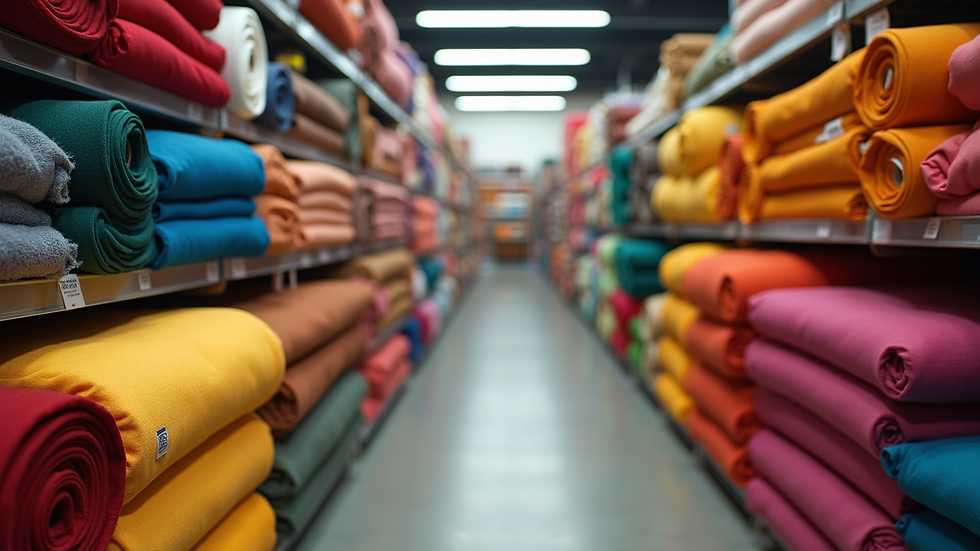
Indian fabrics displayed in a market showing variety and colors
Tips for Working with Indian Fabrics
Indian fabrics can be delicate or heavy, depending on the type. Here are some tips to help you work with them effectively:
Pre-wash your fabric: This prevents shrinkage later. Some fabrics like silk need special care.
Use the right needle and thread: For heavy fabrics like silk or wool, use a strong needle. For light cotton, a fine needle works best.
Press carefully: Use the correct iron setting. For example, silk needs a low heat setting.
Handle embroidery with care: Avoid pulling threads or snagging the fabric.
Store properly: Keep fabrics in a cool, dry place. Use muslin covers for delicate materials.
These tips will help you maintain the beauty and quality of your fabrics.
Where to Find Quality Fabrics India
Finding good quality fabrics is important. I recommend checking out trusted online stores and local markets. You can explore a wide range of fabrics from different regions.
One great resource is fabrics india. They offer a variety of fabrics suitable for sewing, tailoring, and DIY crafts. Their collection includes cotton, silk, wool, and more. Plus, they focus on quality and affordability, making it easier to get the best materials for your projects.
Buying from reliable sources ensures you get authentic fabrics that last long and look beautiful.
Embracing the Beauty of Indian Textiles in Your Projects
Indian textiles are more than just fabric. They carry history, culture, and artistry. Using these fabrics in your projects adds a special touch. Whether you are making a quilt, a dress, or home décor, Indian fabrics bring uniqueness and charm.
Try mixing different fabrics and textures. Combine cotton with silk or add embroidered pieces to plain cloth. Experiment with colors and patterns. The possibilities are endless.
Remember, working with Indian fabrics is a journey. Each piece you create tells a story. Enjoy the process and let your creativity shine.
Exploring the rich fabrics of India opens up a world of inspiration. With so many Indian textile types to choose from, you can create beautiful, meaningful crafts. Keep learning, experimenting, and sharing your love for these amazing fabrics. Happy crafting!


Comments