
Exploring the Best Materials for Your Next Crafting Project
Crafting can be an incredibly rewarding experience, whether you're creating something for yourself or gifting it to someone special. But before you dive into your project, it's essential to choose the right materials. The type of material you select can greatly impact the quality and longevity of your final product. In this blog post, we’ll explore various crafting materials, provide tips on how to choose the right ones, and discuss some of the most popular fabric options available.
Crafting Materials: Getting started
When it comes to crafting, the materials you use set the foundation for your creativity. From yarn and paper to paint and fabric, having a variety of crafting materials can enhance your projects. Understanding these materials will aid you in determining what works best for your specific crafting needs. Here are a few essential crafting materials you'll frequently encounter:
Fabric: A versatile option with countless uses ranging from sewing to quilting.
Yarn: Ideal for knitting and crocheting projects, available in different textures and colors.
Paper: Essential for scrapbooking, card making, and other paper arts.
Paint: Useful for various applications, including canvas, wood, and even textile painting.
Choosing the right material depends on the project you have in mind, so let’s take a closer look at some options.
The Right Fabric for Your Craft
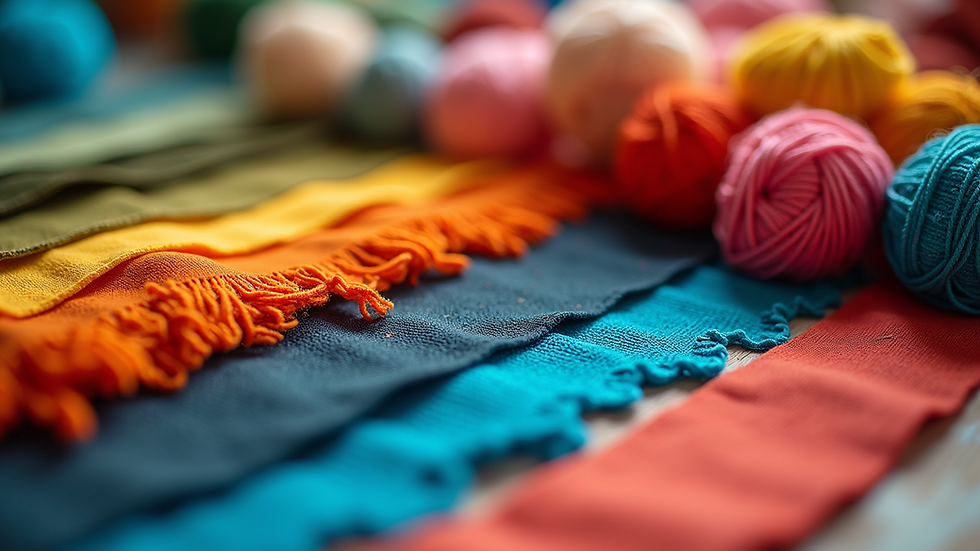
When selecting fabric for your crafting project, consider its weight, texture, and purpose. There are numerous types of fabric available, each with unique characteristics. Here are some of the most popular fabrics to consider:
Cotton: Known for its versatility, cotton fabric is suitable for clothing, home décor, and quilting. It’s easy to sew and comes in numerous prints and colors.
Felt: Great for beginners, felt doesn’t fray, making it ideal for small cutout projects like decorations and toys.
Linen: A lightweight fabric that is both breathable and durable, perfect for summer clothing and home textiles.
Silk: Luxurious and soft, silk is best for special occasion garments and high-end crafting projects.
Understanding the unique properties of each fabric can help you make informed choices for your crafting needs.
What Fabric Starts with the Letter M?
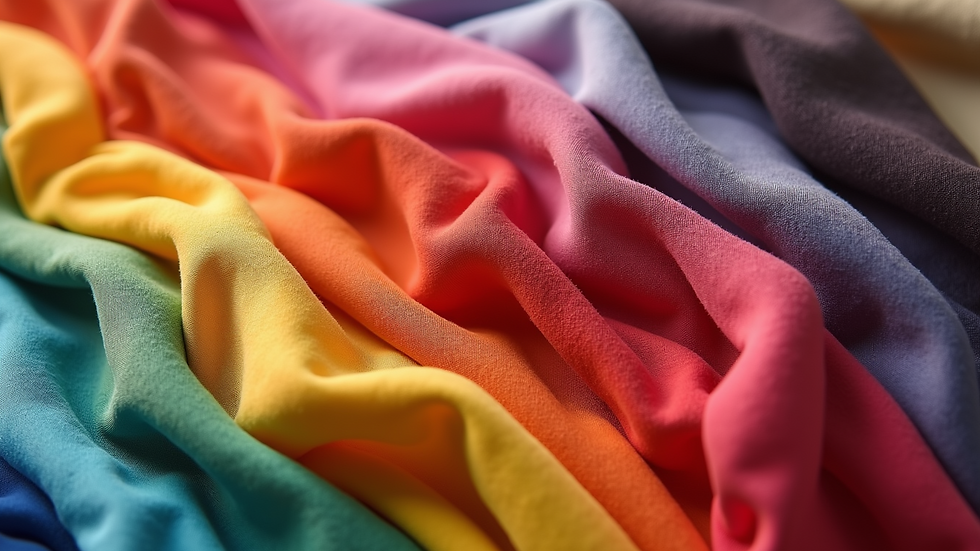
There are several fabrics that start with the letter "M," each serving different purposes. Here are a few noteworthy examples:
Microfiber: A synthetic fabric known for its softness and durability, often used in upholstery and cleaning products.
Muslin: An unbleached cotton fabric, ideal for making patterns, toiles, or for use in children's projects.
Merino Wool: Renowned for its warmth and breathability, commonly used in high-performance clothing.
These fabrics can be excellent choices depending on your crafting project, providing functional or aesthetic benefits.
Paper Crafting Materials: The Basics
Paper crafting opens a world of possibilities with materials ranging from cardstock to specialty paper. Here are some foundational types of paper used in crafting:
Cardstock: Thicker than standard paper, cardstock is perfect for card making and sturdy projects.
Scrapbook Paper: Specifically designed for scrapbooking, this paper often features patterns and textures that enhance the visual appeal of your pages.
Tissue Paper: Lightweight and available in many colors, tissue paper is often used for decorations or layering in crafts.
When selecting paper, think about weight, texture, and color to achieve the desired effect in your project.

Choosing the Right Yarn
If you're delving into knitting or crocheting, choosing the right yarn can make a significant difference in your end product. Here are some important factors to consider:
Weight: Yarn comes in various weights, from lace to bulky. Choose a weight that suits your pattern.
Fiber Content: Different fibers offer unique qualities. For example, 100% wool is warm and elastic, while cotton yarn is lighter and breathable.
Color and Texture: Yarn is available in countless colors and textures. Don’t hesitate to choose bold colors or interesting textures to make your project pop.
Taking these factors into account will ensure that your knitted or crocheted projects turn out beautifully.
Making the Final Decision on Your Materials
Now that you've gathered all this information about crafting materials, it’s time to narrow down your choices. Here’s a simple guide to help you make your final decision:
Define your project: What are you creating? Knowing the end goal will help dictate your materials.
Consider the audience: Will your crafted item be for adults, children, or special occasions? This can influence material selection.
Evaluate durability: Choose materials that will withstand wear and tear if your project will be used regularly.
Test and experiment: Don’t hesitate to source small quantities of materials before committing to a large purchase. Experimenting can uncover new techniques and styles.
For fabric, consider visiting m fabrics to explore a wide selection that can elevate your crafting endeavors.

Creating with Purpose: Crafting Wisdom
As you embark on your next crafting project, keep in mind that the materials you choose can enhance your creativity and the functionality of your work. Experiment with different fabrics and papers, explore various yarn types, and don’t shy away from trying something new. The crafting community is full of resources, tutorials, and inspiration, so connect with fellow crafters for support and ideas.
Whether you're sewing, knitting, or creating beautiful paper projects, the right materials can make all the difference in bringing your creative vision to life. Choose wisely, and enjoy the crafting journey ahead!


Comments