


Discover the Versatility of M Fabrics
- Sep 18, 2025
- 4 min read
When it comes to crafting, the choice of fabric can make all the difference. Whether you are a seasoned crafter or just starting, understanding the versatility of different fabrics can open up a world of creative possibilities. Among the many options available, m fabrics stand out for their quality, variety, and adaptability. This article explores the many uses of crafting fabrics, focusing on how you can leverage their unique properties to enhance your projects.
Exploring the Uses of Crafting Fabrics
Crafting fabrics are essential materials that serve a wide range of purposes. They are not just for sewing clothes but also for home décor, accessories, and even art projects. Here are some common uses of crafting fabrics that highlight their versatility:
Apparel Creation: Fabrics are the foundation of clothing design. From casual wear to formal attire, the right fabric can determine comfort, durability, and style.
Home Décor: Curtains, cushion covers, table runners, and upholstery all benefit from carefully chosen fabrics that add texture and color to living spaces.
Accessories: Bags, scarves, hats, and belts can be crafted from various fabrics, allowing for personalized and unique fashion statements.
Quilting and Patchwork: Crafting fabrics are perfect for quilting projects, where different textures and patterns come together to create beautiful designs.
Art and Craft Projects: Fabrics can be used in mixed media art, fabric painting, and other creative endeavors.
Understanding these uses helps crafters select the right fabric for their specific needs, ensuring the best results.
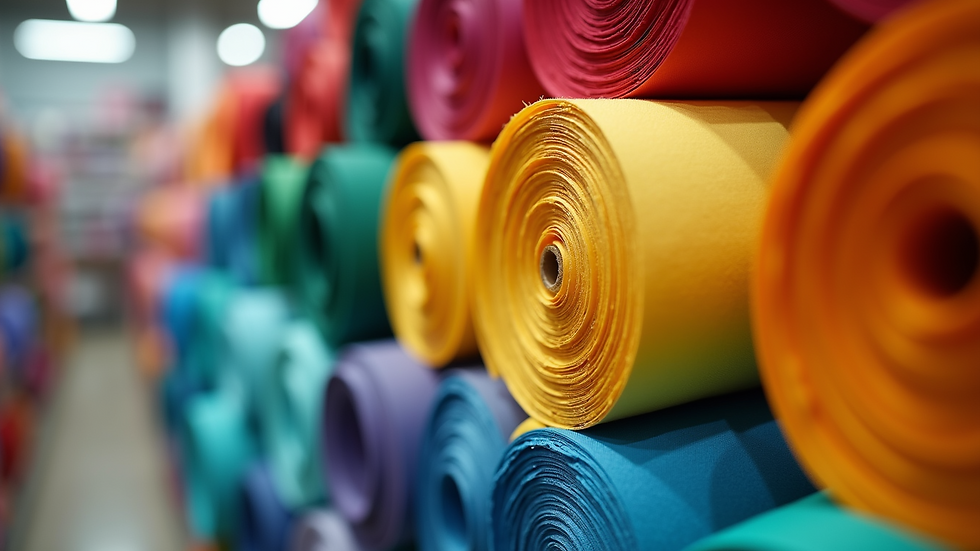
How to Choose the Right Crafting Fabric for Your Project
Selecting the right fabric is crucial for the success of any crafting project. Here are some practical tips to guide your choice:
Consider the Fabric Type
Different fabrics have different properties. Cotton is breathable and easy to work with, while polyester is durable and wrinkle-resistant. Linen offers a natural texture, and silk provides a luxurious feel.
Evaluate the Weight and Texture
Lightweight fabrics are ideal for garments like blouses and dresses, while heavier fabrics suit upholstery and bags. Texture affects the look and feel, so choose according to the desired outcome.
Check for Colorfastness
Ensure the fabric’s colors won’t fade or bleed, especially if the item will be washed frequently.
Assess Stretch and Recovery
Fabrics with stretch are great for activewear and fitted clothing. Make sure the fabric recovers well to maintain shape.
Think About Maintenance
Some fabrics require special care, such as dry cleaning or hand washing. Choose fabrics that fit your lifestyle and maintenance preferences.
By keeping these factors in mind, you can pick the perfect fabric that complements your project’s requirements.
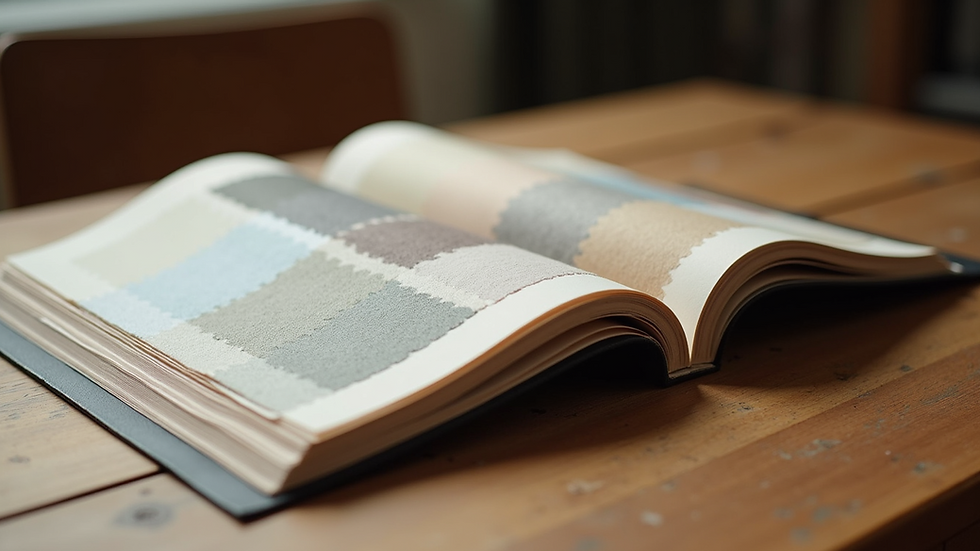
Innovative Crafting Ideas Using M Fabrics
The creative potential of m fabrics is immense. Here are some innovative ideas to inspire your next crafting adventure:
Custom Tote Bags: Use sturdy canvas or denim fabrics to create personalized tote bags. Add embellishments like embroidery or patches for a unique touch.
Decorative Pillows: Mix and match different fabric patterns and textures to make eye-catching throw pillows that brighten up any room.
Fabric Wall Art: Stretch fabric over frames or embroidery hoops to create affordable and stylish wall décor.
Upcycled Fashion: Transform old garments or fabric scraps into new clothing items or accessories, promoting sustainability.
Seasonal Decorations: Craft festive banners, table runners, or ornaments using themed fabrics for holidays and special occasions.
These ideas demonstrate how versatile crafting fabrics can be, allowing you to express your creativity in countless ways.
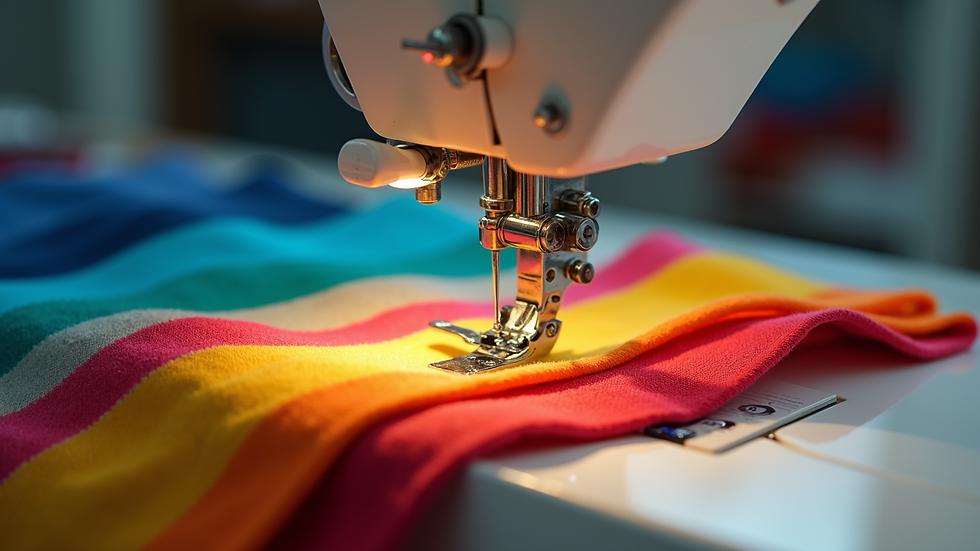
Tips for Working with Different Types of Crafting Fabrics
Each fabric type requires specific handling techniques to achieve the best results. Here are some tips for working with popular crafting fabrics:
Cotton: Pre-wash to prevent shrinkage. Use sharp scissors and pins to avoid fraying.
Silk: Handle gently and use fine needles. Avoid stretching the fabric while sewing.
Wool: Use a walking foot on your sewing machine to manage thickness. Press seams carefully.
Denim: Use heavy-duty needles and strong thread. Consider double stitching for durability.
Linen: Pre-wash and iron before cutting. Linen wrinkles easily, so press frequently during sewing.
By adapting your techniques to the fabric type, you can ensure professional-looking results and extend the life of your creations.
Enhancing Your Crafting Experience with Quality Fabrics
Investing in high-quality fabrics like those offered by m fabrics can significantly enhance your crafting experience. Quality fabrics are easier to work with, more durable, and provide a better finish. Here are some benefits of choosing premium crafting fabrics:
Better Texture and Feel: High-quality fabrics have a superior hand feel, making your projects more enjoyable to create and use.
Improved Durability: These fabrics withstand wear and tear, ensuring your creations last longer.
Vibrant Colors and Patterns: Premium fabrics maintain their color and design integrity over time.
Eco-Friendly Options: Many quality fabric suppliers offer sustainable and organic fabric choices.
By selecting the right fabrics, you not only improve your crafting outcomes but also contribute to a more sustainable crafting community.
Exploring the world of crafting fabrics reveals endless possibilities for creativity and functionality. Whether you are making clothing, home décor, or unique accessories, the right fabric can transform your ideas into beautiful, lasting creations. Embrace the versatility of fabrics and let your imagination guide your next project.


Comments