


Discover the Benefits of M Fabrics
- Sep 20, 2025
- 3 min read
When it comes to choosing the right fabric for your projects, understanding the qualities and benefits of different materials is essential. Among the many options available, M fabrics stand out for their versatility, durability, and aesthetic appeal. Whether you are a designer, manufacturer, or a DIY enthusiast, knowing the uses and advantages of these fabrics can help you make informed decisions.
Uses of M Fabrics in Various Industries
M fabrics are widely used across multiple industries due to their unique properties. Here are some of the key applications:
Fashion and Apparel
M fabrics are popular in the fashion industry because they offer a perfect balance of comfort and style. They are often used to create:
Casual wear such as t-shirts and dresses
Formal attire including suits and blouses
Sportswear due to their breathability and flexibility
The fabric’s ability to hold dye well means vibrant colors and patterns are achievable, making it a favorite among designers.
Home Textiles
In home décor, M fabrics are used for:
Upholstery for sofas and chairs
Curtains and drapes that provide both privacy and style
Cushion covers and bed linens that add comfort and elegance
Their durability ensures that these items withstand daily use while maintaining their appearance.
Industrial Applications
Beyond fashion and home use, M fabrics have industrial applications such as:
Protective clothing for workers
Automotive upholstery
Bags and luggage materials
Their strength and resistance to wear make them suitable for these demanding uses.

What Fabric Starts with the Letter M?
Several fabrics start with the letter M, but some of the most notable include:
Modal: A type of rayon made from beech tree pulp, known for its softness and moisture-wicking properties.
Mohair: Derived from the Angora goat, mohair is prized for its sheen and durability.
Muslin: A lightweight cotton fabric often used for dressmaking and curtains.
Merino Wool: Sourced from Merino sheep, this wool is fine, soft, and excellent for thermal regulation.
Each of these fabrics has distinct characteristics that make them suitable for specific uses. For example, modal is excellent for activewear due to its breathability, while mohair is often used in luxury garments and upholstery.
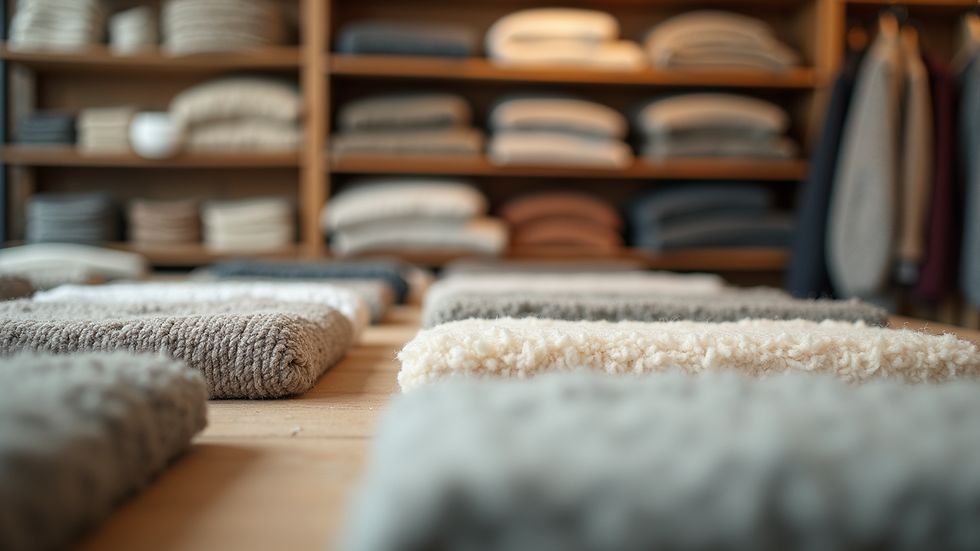
Advantages of Using M Fabrics
Choosing M fabrics offers several benefits that enhance both the product quality and user experience:
Comfort and Softness
Many M fabrics, such as modal and merino wool, are known for their softness. This makes garments and home textiles comfortable to wear and use.
Durability and Strength
M fabrics often have excellent tensile strength, meaning they resist tearing and wear. This is particularly important for items that undergo frequent use.
Moisture Management
Fabrics like modal have natural moisture-wicking abilities, which help keep the wearer dry and comfortable, especially during physical activities.
Eco-Friendly Options
Some M fabrics, such as modal, are produced from renewable resources and are biodegradable, making them a more sustainable choice compared to synthetic fabrics.
Versatility
The wide range of M fabrics available means they can be used in everything from delicate clothing to heavy-duty industrial products.
How to Choose the Right M Fabric for Your Project
Selecting the appropriate M fabric depends on several factors:
Purpose: Determine whether the fabric is for clothing, upholstery, or industrial use.
Texture and Weight: Choose a fabric weight that suits the intended use - lightweight for summer wear, heavier for upholstery.
Care Requirements: Consider how easy the fabric is to clean and maintain.
Budget: Some M fabrics like mohair can be more expensive, so balance cost with quality.
Environmental Impact: If sustainability is a priority, opt for eco-friendly options like modal.
By evaluating these factors, you can ensure your project benefits from the best qualities of M fabrics.
Tips for Maintaining M Fabric Products
Proper care extends the life of your M fabric items. Here are some practical tips:
Washing: Use gentle cycles and mild detergents to preserve fabric integrity.
Drying: Air dry when possible to avoid shrinkage and damage.
Storage: Store in a cool, dry place away from direct sunlight to prevent fading.
Repairs: Address small tears or loose threads promptly to avoid further damage.
Following these guidelines will keep your M fabric products looking and feeling great for longer.
Exploring the benefits and uses of m fabrics reveals why they are a preferred choice in many sectors. Their combination of comfort, durability, and versatility makes them ideal for a wide range of applications. Whether you are designing fashion pieces, furnishing your home, or working on industrial projects, understanding these fabrics can help you achieve the best results.


Comments